How to Handle Emergency Roof Damage After a Severe Storm
@spencerqcbh717
November 10, 2026 · 3 min read
Severe thunderstorms, hail and intense rainfall can damage roofs across South-East Queensland, from Brisbane and Ipswich to the Gold Coast and Sunshine Coast. Missing tiles, lifted metal sheets and damaged flashings can quickly allow water into ceilings and electrical fittings. Your first priority is safety, followed by limiting further damage and arranging professional repairs.

1. Check for Immediate Danger
Stay indoors until the storm passes, and keep people and pets away from affected rooms. If you notice a sagging ceiling, cracking sounds or water collecting around light fittings, leave that area immediately. Do not touch wet switches, appliances or electrical equipment.
Call Triple Zero (000) if someone is in immediate danger. Keep well clear of fallen powerlines and anything touching them, and report them to your electricity distributor. For non-life-threatening storm and flood assistance in Queensland, contact the SES on 132 500. Assistance is prioritised according to urgency and demand.
Only switch off electricity if the switchboard is dry, safely accessible and you can do so without entering water or approaching damaged wiring. Otherwise, seek advice from your electricity distributor or a licensed electrician.
2. Limit Water Damage Without Climbing Onto the Roof
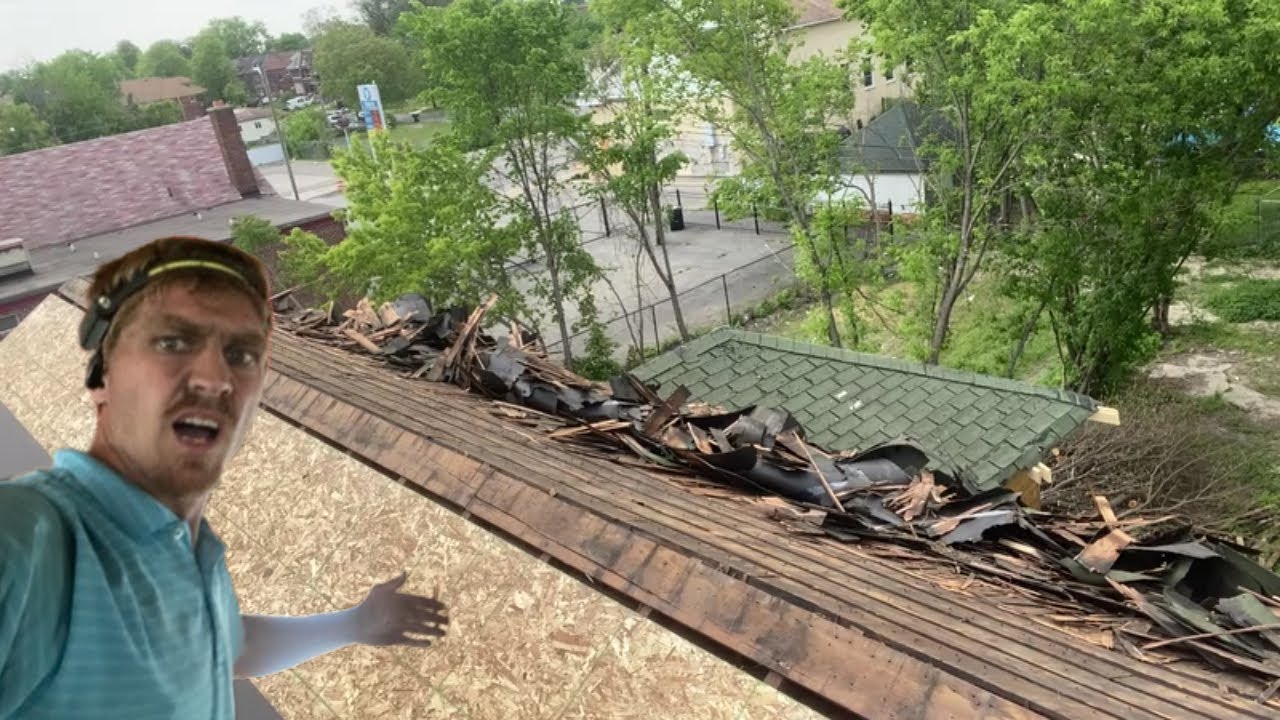
Wet roofing is extremely slippery, and storm damage can weaken roof sheets, tiles and supporting structures. Do not climb onto the roof or attempt to install a tarp yourself. Strong winds, nearby powerlines and hidden structural damage make emergency roof work particularly hazardous.
- Move furniture, electronics and valuables away from leaks if it is safe.
- Place buckets beneath manageable drips, keeping clear of electrical fittings and sagging ceilings.
- Restrict access to affected rooms, especially where ceiling plasterboard is swollen or cracking.
- Arrange professional temporary weatherproofing once conditions allow safe access.
Do not puncture a bulging ceiling yourself. Waterlogged plasterboard can collapse unexpectedly. If older roofing or debris may contain asbestos, avoid touching, breaking, sweeping or pressure-cleaning it, and seek specialist advice.
3. Record the Damage and Contact Your Insurer
Take photos and videos from safe positions before moving damaged belongings or starting clean-up. Capture roof damage visible from ground level, internal leaks, affected possessions and any temporary protection installed. Note when the damage becomes apparent and keep receipts for emergency work and other related expenses.
Contact your insurer promptly and ask about its emergency repair process, preferred contractors and approval requirements. Do not delay urgent safety measures while waiting for a claim decision, but check with https://roofrestorationseq.com.au/replacement-installation-reroofing/ your insurer before authorising permanent repairs wherever practical. Cover, excesses and reimbursement depend on your policy and the circumstances of the damage.
4. Choose a Suitably Licensed Roofing Contractor
After widespread storms, roofing services can be in high demand. Check the contractor’s Queensland Building and Construction Commission (QBCC) licence, where required, and confirm that its licence class covers the proposed work. Ask about insurance, safe access arrangements and experience with your roof type.

Request a written scope explaining the damage, temporary measures, proposed permanent repairs and costs. Be cautious about unsolicited door-knockers who pressure you to sign immediately or pay a large upfront amount.
What Should the Roof Inspection Cover?
A thorough assessment should examine more than the obvious leak. Depending on the roof, this may include cracked or displaced tiles, loose metal sheets and fixings, ridge capping, flashings, valleys, gutters and roof penetrations. The contractor should also identify whether water has affected insulation, roof framing or ceiling materials, and recommend further specialist inspections where necessary.
5. Arrange Permanent Repairs and Prevent Further Damage
A temporary tarp is not a permanent repair. Arrange follow-up work promptly, and ensure repairs meet applicable Queensland requirements and relevant building standards. Where electrical fittings or wiring become wet, have a licensed electrician assess them before use.
Once the immediate emergency is resolved, organise drying and assess water-damaged materials promptly to reduce mould risk. Regular roof inspections, safely maintained gutters and professionally managed overhanging branches can help reduce future storm damage. Monitor Bureau of Meteorology warnings and local council disaster updates whenever severe weather threatens South-East Queensland.
SEQ Roof Restoration Experts
Unit 6/25 Lerna St, Woolloongabba QLD 4102
(07) 3132 3236